- Home
- Current Campaigns
- Protecting your Health
- Seasonal Illness
Seasonal Illness
Some illnesses are more common at certain times of the year, especially during colder months. Knowing what to look out for and how to manage symptoms can help keep you, your household and the wider community healthy.
Flu
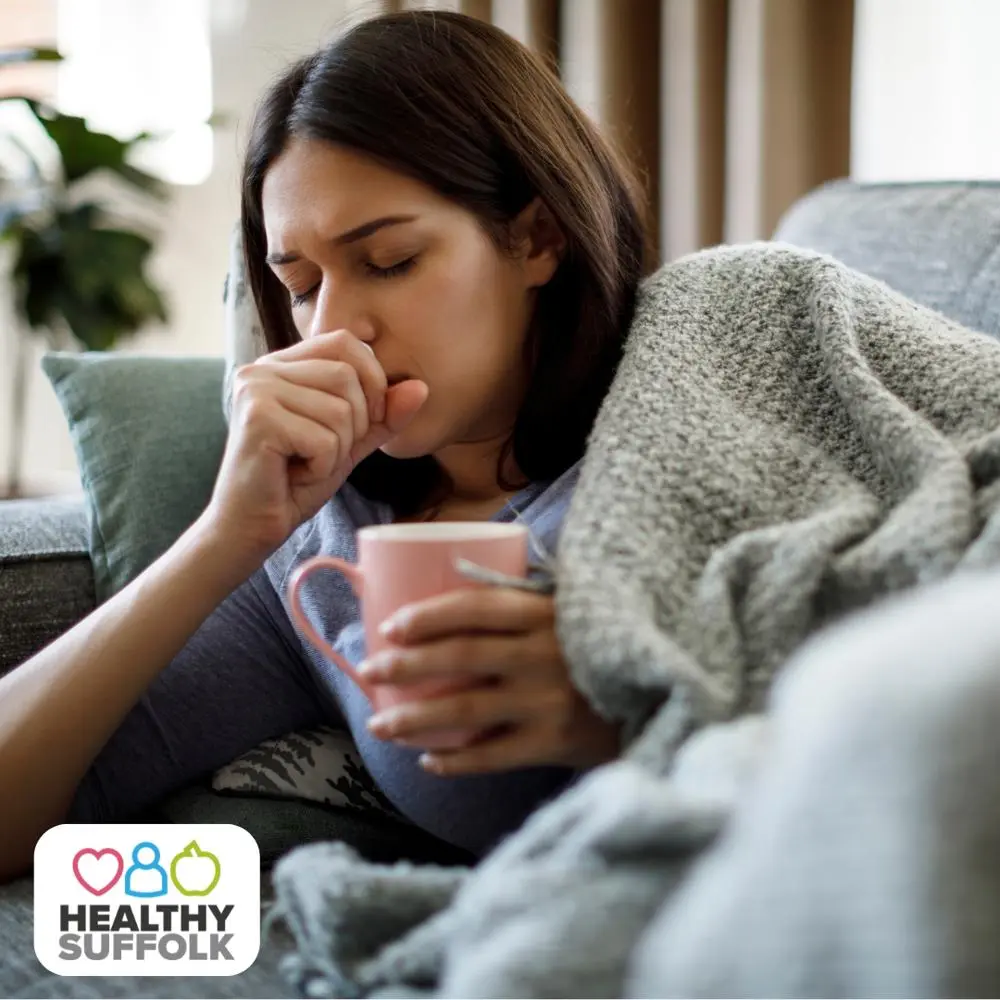
The flu (also known as "influenza") is a viral infection affecting the nose, throat and lungs. Flu and cold symptoms are similar, but flu symptoms usually develop faster and are more severe. Flu will often get better on its own, but it can make some people seriously ill. It is important to have the flu vaccine if eligible.
Common Cold
Colds are usually mild and develop gradually. Symptoms may include a runny or blocked nose, mild cough, sore throat or sneezing. Most people can continue daily activities if they feel well enough.
Learn more about the common cold.
Norovirus
Norovirus, also called the winter vomiting bug, is a stomach bug that causes vomiting and diarrhoea. It can be very unpleasant but usually gets better in about 2 days. To prevent the spread of the virus, it is important to stay away from school, nursery or work until you have not been sick or had diarrhoea for 2 days.
The UK Health Security Agency (UKHSA) recommends the following four steps to protect against seasonal illness.
Get vaccinated
Vaccinations offer the best protection against serious illness. It is strongly recommended that everyone eligible, especially older adults, pregnant women and those with pre-existing health conditions, get vaccinated.
Learn more at www.nhs.uk/vaccinations/
Keep washing your hands
Regular handwashing with warm water and soap is one of the most effective ways to prevent the spread of viruses such as norovirus. Handwashing is particularly important before eating and after using the toilet. Alcohol-based hand sanitisers can be effective against cold and flu viruses, but they are not effective against norovirus.
Note: Antibac is effective for preventing cold & flu but not for norovirus.
Give it a miss
If you’re unwell with symptoms such as a high temperature, vomiting, diarrhoea or new respiratory symptoms, stay at home until you feel better.
Practise self-care and use antibiotics responsibly
Getting plenty of rest, drinking lots of water and taking over the counter medications can help manage minor illnesses such as colds, sore throats or coughs. Antibiotics do not work against viruses, which are usually the cause of common seasonal illnesses.
Older adults can be more vulnerable to seasonal illnesses like flu and norovirus so it’s important to take a few steps to help protect them.
Avoid visiting older relatives or care homes if you’re feeling unwell. Keep connected by phone or video call instead.
Illness can sometimes be harder to spot in older adults, so check in regularly and look for subtle changes such as confusion or behaviour change. Staying connected can also help reduce feelings of loneliness.
For more guidance on staying warm and well during winter, read Age UK’s Winter Wrapped Up guide at www.ageuk.org.uk/siteassets/documents/information-guides/ageukig27_winter_wrapped_up_inf.pdf
It’s usually safe to send your child to school or nursery with mild illnesses, like a minor cough, runny nose or sore throat.
- Children should stay at home if they:
- Have a high temperature of 38C or above.
- Have vomiting or diarrhoea. They must stay at home for 48 hours after the last episode.
- Have illnesses that spread easily, like chickenpox. See NHS guidance for specific details at www.nhs.uk/live-well/is-my-child-too-ill-for-school/
- Are too unwell to take part in normal school activities.
The UKHSA has also published a helpful poster for parents and carer, if you are still unsure on whether to send your child to school you can view the post at assets.publishing.service.gov.uk/media/626669cb8fa8f523b7221b98/UKHSA-should-I-keep-my_child_off_school_guidance-A3-poster.pdf