- Home
- Current Campaigns
- I wish I knew...
I wish I knew...
We are supportive of all parents, no matter how they choose to feed their babies, either by formula or breastmilk, but we know that those who breastfeed can sometimes be presented with additional challenges, particularly in the very early days, which can result in a breastfeeding journey ending prematurely.
However, with the right support, guidance and advice the journey can be smooth and enjoyable.
This latest campaign ‘I wish I knew’ asks those across Suffolk who have been on a breastfeeding journey to reflect on their experience so that those preparing for this stage can feel less alone, confident and empowered.
As well as learning from other parents' experiences, you will also discover where to seek help, support and advice, both online and in the local community.
Click on the drop-down buttons below to read more stories from other mothers in Suffolk
Georgina, mum to six month old Saxon and teenage daughter Myla, reflects on two very different breastfeeding experiences and the lessons she wishes she’d known earlier. With her first child, breastfeeding was short lived; her milk took four days to come in, which although is normal was unknown to her at the time, this left her and baby feeling distressed, and so she moved quickly to formula feeding due to limited guidance and her young age at the time. With Saxon, Georgina approached breastfeeding differently, and she felt she had more patience and determination.
Despite difficulties with colostrum harvesting and the frequency of feeding in the very early days, she persevered. She describes the early weeks as overwhelming, but explained that over time, breastfeeding became easier, and reaching six months became a milestone she felt proud of.
Georgina credits her success with breastfeeding to some of the professionals she interacted with, but also to social media, where she connected with online lactation consultants, and gained access to general but reliable information when needed. Her key reflections centre on wishing she had known how often newborns feed, how normal it can be for colostrum to be produced in very small amounts for the first few days and the importance of introducing an occasional bottle earlier on, which is something she now finds difficult as Saxon refuses bottles completely.
Her advice to new parents is to stay open minded, give breastfeeding a try, and remember that every journey is different. Most importantly, she emphasises that feeding decisions should support both the baby’s wellbeing and the parent’s mental health.
If you or someone you know have faced similar difficulties, check out the following links for support:
- ‘Breastfeeding in the first few days’ – www.nhs.uk/baby/breastfeeding-and-bottle-feeding/breastfeeding/the-first-few-days/HS
- ‘Other ways to give additional milk to breastfed babies if needed’ - thebreastfeedingcompanion.com/project/supplemental-nursing-system/
- 'Your guide to colostrum harvesting' - myexpertmidwife.com/blogs/guides-checklists/the-essential-guide-to-colostrum-harvesting
- 'Antenatal colostrum harvesting' - abm.me.uk/breastfeeding-information/antenatal-expression-colostrum/
-
'Milk supply and introducing bottles' - Introducing bottle feeds may reduce the amount of breast milk you produce, as there will be longer gaps between breastfeeding. These gaps signal to your body that less milk is needed, especially during the first 6 to 8 weeks of breastfeeding. If possible, try to allow enough time to establish breast feeding before introducing bottle feeds. If you want to increase your breast milk, have a look the tips at www.nhs.uk/best-start-in-life/baby/feeding-your-baby/mixed-feeding/adjusting-your-milk-supply/
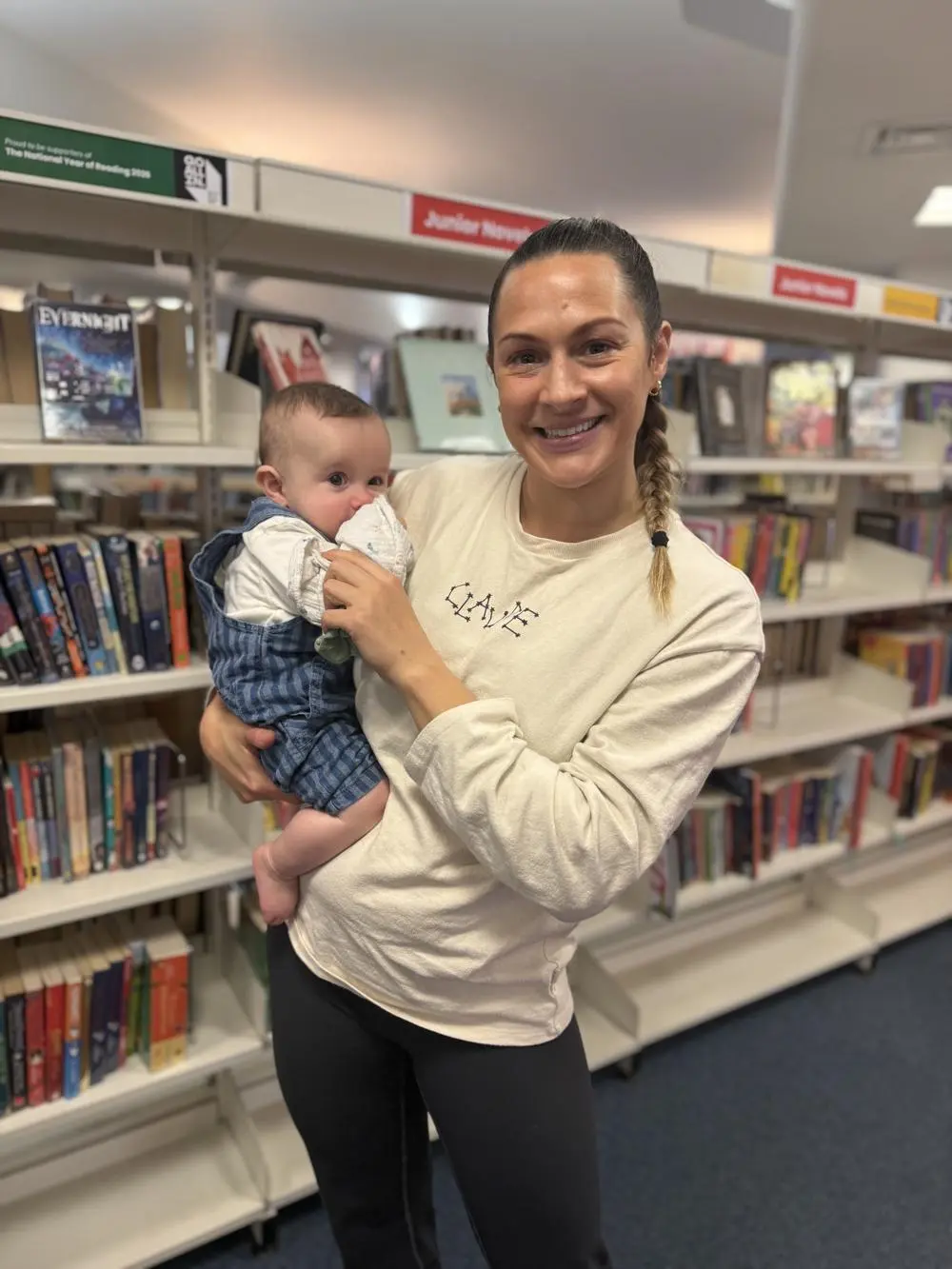
Kate is a proud advocate for breastfeeding following the positive experience she had with both of her daughters; however, both experiences did not come without their difficulties.
When Kate became a mother for the first time, she expected breastfeeding to feel instinctive. Having grown up knowing her own mother had breastfed she thought “it’s just what you do”. With that, she assumed her first daughter Edith would naturally latch and feed with ease, but within days, Kate found herself overwhelmed by pain, uncertainty, and a sense of isolation. A severe sore on her breast and a lack of practical guidance left her struggling through long, lonely nights, unsure where to turn for help.
While midwives and health visitors offered advice, Kate felt she wasn’t prepared enough prior to having her baby and didn’t know where she could turn to for emotional support, aside from her partner or family. That changed when, at just 11 days postpartum, she discovered Little Roos, a local breastfeeding support group at the Hawthorns Family Hub at Chantry library in Ipswich. Walking into the room for the first time felt like a turning point for Kate. Suddenly, she was surrounded by other mothers who understood her struggles, and she felt the weight lift from her shoulders. The guidance, reassurance, and community she found there transformed her experience, helping her continue breastfeeding Edith and helping to lay the foundation for a far smoother journey with her second daughter, Ruby.
Reflecting back, Kate believes the biggest difference came from knowing where to seek support. She encourages expectant parents to explore local groups before their baby arrives, so they’re never left feeling alone at 3am with nowhere to turn.
Her message to new mothers is simple but heartfelt: “You can do it. Keep asking for help - it’s out there.”
Discover information regarding the Little Roo's support group and others based at the Family hub's across Suffolk - www.suffolk.gov.uk/children-families-and-learning/childrens-health/pregnancy-to-pre-school/infant-feeding/infant-feeding-support-groups
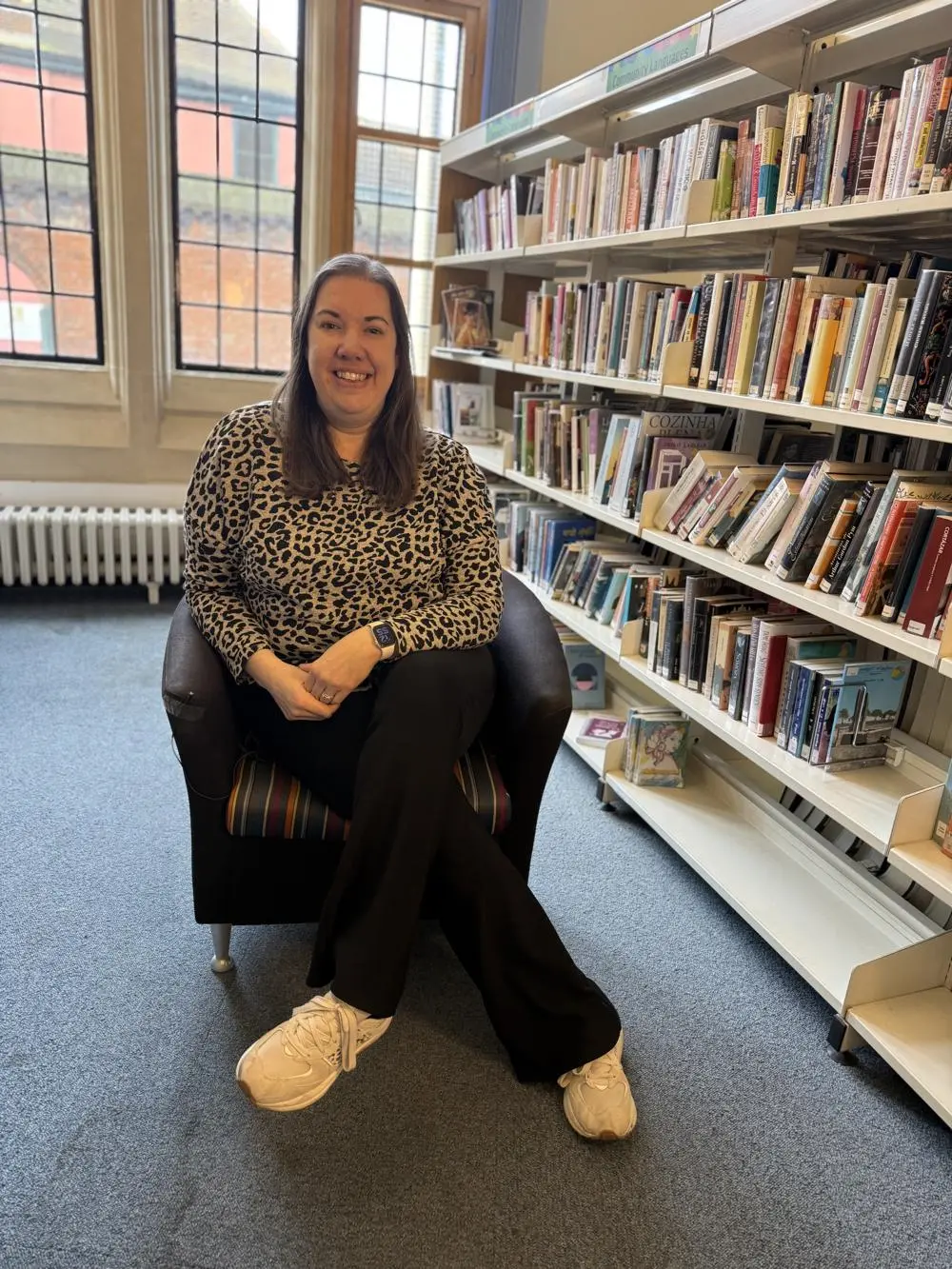
Rachael, a mother of three girls aged nine, eight and six, describes her breastfeeding journey as a path shaped by learning, resilience and community support. With her first baby, she expected breastfeeding to come naturally, influenced by family experiences and antenatal classes. However, the early days brought surprises of engorgement, soreness and the emotional intensity of feeding around the clock. Despite this, Rachael found reassurance in knowing that discomfort was often temporary and manageable.
Each of her three experiences was different. Her second child fed with ease, while her third spent time in neonatal care, adding complexity and stress as feeding schedules were no longer fully in her control. Rachael also navigated tandem feeding when her eldest, then 11 months old, continued to breastfeed after the birth of her second child. Though demanding, she remembers this period as uniquely bonding and even helpful in easing early engorgement.
What made a significant difference, Rachael says, was the support she discovered from her local library breastfeeding group and the Breastfeeding Network who provided advice on medication safety. These resources gave her both confidence and practical reassurance when she needed it most.
Looking back, Rachael wishes every new mother knew about the value of community and the importance of seeking support early. Her advice is simple: breastfeeding is a powerful, positive experience, but it’s okay to find it hard. Reach out, trust your instincts and surround yourself with people who uplift you. For Rachael, breastfeeding wasn’t just nourishment, it was connection, comfort and confidence-building, one feed at a time.
'Drugs in Breastfeeding' - Access the Breastfeeding Networks factsheets and helpful information supporting you to know which medicines are safe to take during breastfeeding at www.breastfeedingnetwork.org.uk/drugs-in-breastmilk/
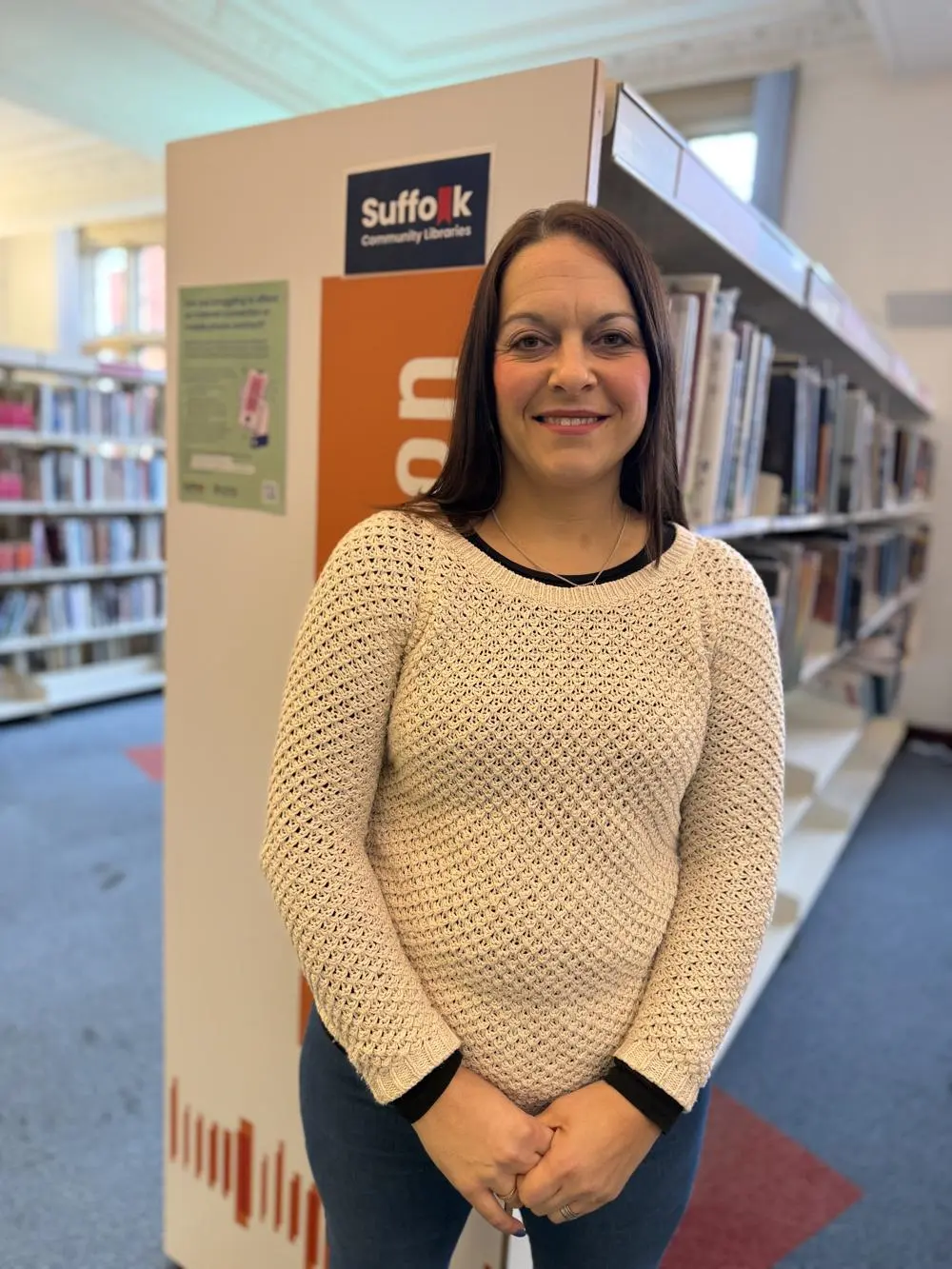
Lilith began her breastfeeding journey with determination and a strong desire to exclusively breastfeed her baby, Ellarin, who is now 12 weeks old. Although she prepared herself by researching online and learning about cluster feeding and early discomfort, she found that no amount of preparation could fully match the lived experience of breastfeeding. Her motivation was shaped not only by this research but also by positive influences from family and colleagues who had breastfed, making her eager to experience the bonding and emotional connection they described.
Despite reassurance from hospital staff that the latch was good, Lilith struggled with early self‑doubt and concern about whether Ellarin was getting enough milk. A pivotal moment came when she reached out to a breastfeeding support contact from her NCT class, gaining her the reassurance she needed. This helped build her confidence and enabled her to trust her body, monitoring signs such as wet nappies, weight gain, and Ellarin’s general wellbeing.
Lilith found that support was far more available than she had expected. Midwives and health visitors offered ongoing reassurance and checked in on her comfort, while her partner played a crucial role by helping her stay hydrated and comfortable during feeds. She also discovered useful community resources, including Suffolk Family Hubs, where parents can access feeding support, weigh their babies, and hire breast pumps, all of which are services she hadn’t known about before.
Reflecting on her journey, Lilith wishes she had known how frequently her baby’s feeding needs would change, especially during growth spurts. Despite these challenges, breastfeeding has become a deeply meaningful and empowering experience for her, strengthening the bond with her baby.
Her message to new parents is that while the first weeks are a steep learning curve, breastfeeding becomes easier with time. She encourages others to trust their bodies, stay confident, and seek support whenever needed.
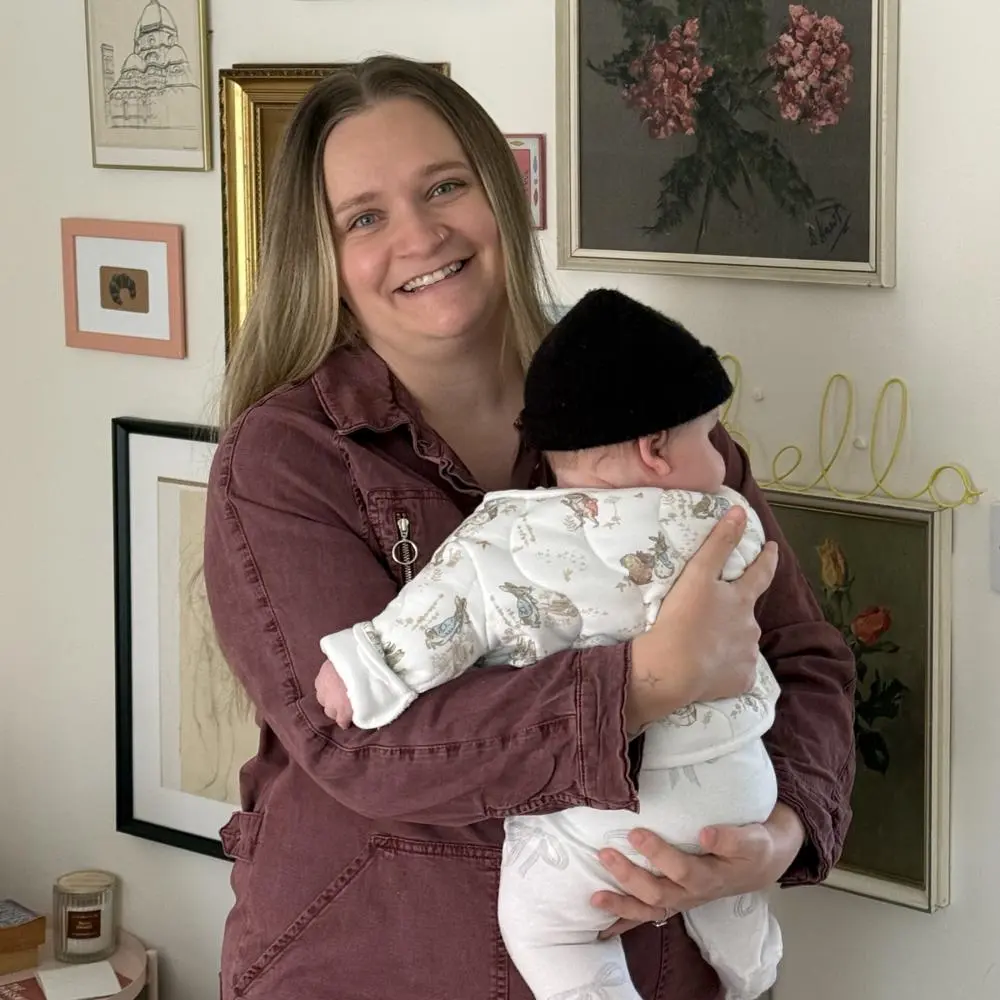
Every story and journey is different, which is why we are inviting other local women to share their stories with us. Later this year, we will be acknowledging World Breastfeeding Week (celebrated from 1 – 7 August every year) with more of your stories, words of advice and words of wisdom.
If you would like to share your story with us, please complete the form linked below.
Guidance from the NHS
The NHS have recently launched a new campaign called Best Start In Life which provides new and expectant parents with lots of practical advice, support and guidance, aimed at helping them to do the best they can during the first five years of a child's life.
They have a wealth of information available on breastfeeding including:
- How to breastfeed
- Expressing milk
- Breastfeeding challenges
- A healthy diet during breastfeeding
- Frequently asked questions
- Breastfeeding in public
and so much more...
Visit the link below to access all of this helpful information
www.nhs.uk/best-start-in-life/baby/feeding-your-baby/breastfeeding
The National Childbirth Trust
The National Childbirth Trust, more commonly known as NCT provides lots of helpful information, links and resources for new and expectant parents.
Click the link below to learn more about:
- Breastmilk
- Breastfeeding after surgery
- How breastmilk meets babies needs
- How long to feed for
- Common problems
and much more. Visit www.nct.org.uk/information/baby-toddler/feeding-your-baby-or-toddler/about-breastmilk-and-breastfeeding
Bliss - for babies born premature or sick
Bliss is a charity which exists to give every baby born premature or sick in the UK the best chance of survival and quality of life.
Visit the link below to learn more about breastfeeding and feeding a premature or sick baby.
www.bliss.org.uk/parents/about-your-baby/feeding/breastfeeding
First Steps Nutrition Trust
First Steps Nutrition Trust provide useful information about infant milk, so no matter whether you are breastfeeding or formula feeding your baby, this will provide helpful guidance on how to make formula milk safely, which milks to choose, how breastmilk may differ and much more. Click the link below to discover the guidance.
www.firststepsnutrition.org/parents-carers
The Breastfeeding Companion
Prefer learning by watching videos? If yes, the Breastfeeding Companion is for you! Their website hosts a huge number of videos helping you to practically learn what to expect from breastfeeding, how to express, dealing with mastitis, getting the positioning right or discovering alternative feeding methods. Click the link below to discover their video catalogue!
thebreastfeedingcompanion.com/
National Breastfeeding Helpline
Telephone and social media support available 24/7 365 days of the years.
Helpline: 0300 100 0212 (Select option 2 for Polish, for Bengali and Sylheti call 0300 456 2421)
Web chat: www.breastfeedingnetwork.org.uk/chat/
Facebook: www.facebook.com/NationalBreastfeedingHelpline
Instagram: www.instagram.com/nationalbreastfeedinghelpline
The Breastfeeding Network (BfN)
The Breastfeeding Network is an organisation based in the United Kingdom (UK), who aim to be an independent source of support and information for breastfeeding parents and partners. There website contains lots of practical advice and guidance as well as resources including their dedicated Drugs (in) and breastmilk service and factsheets.
www.breastfeedingnetwork.org.uk/
Association of Breastfeeding Mothers
ABM are a group of trained volunteers dedicated to supporting breastfeeding mums and their families. We’ve been supporting mums and nurturing families for almost 40 years.
Helpline (9.30am -10.30pm) 0300 330 5453
Website: abm.me.uk/
La Leche League
La Leche League are committed to serving everyone – mothers, parents, families – in a way that is inclusive of all races, ethnicities, religions, sexes, national origins, ancestries, ages, marital statuses, physical or mental abilities, socio-economic statuses, political views, gender identities, sexual orientations, family structures, cultural values and beliefs.
Helpline: 0345 120 2918
Website: aleche.org.uk/
Podcast: laleche.org.uk/podcast/
Help request form: laleche.org.uk/submit-help-request/
National Childbirth Trust (NCT)
NCT is the leading charity that supports people as they become parents
Infant feeding line: 0300 330 0700
Website: www.nct.org.uk/
Bliss
Bliss support parents with babies who are born premature or sick
Website: www.bliss.org.uk/
Email: hello@bliss.org.uk
The Twins Trust
Supporting parents of twins or multiple births through every milestone
Website: twinstrust.org/
General enquiries: 01252 332344
Helpline: 0800 138 0509
The UK Association for Milk Banking (UKAMB)
UKAMB is a registered charity that supports human milk banking in the UK. Their motto is ‘Every Drop Counts’ and believe that the provision of safe and screened donor breastmilk makes an important contribution to the care of the premature and sick infants who receive it.
Website: https://ukamb.org/
Anya (Formerly LatchAid)
An app featuring 3D, interactive AI technology to help with latching,, feeding techniques, and emotional support. It is available on iOS and Android and is used within the NHS to increase confidence and skills.
Download to an apple device: https://apps.apple.com/us/app/anya-health/id1463091902
Download to an android device: https://play.google.com/store/apps/details?id=com.latchaid.anya
Baby Buddy
Baby Buddy is a free, clinically informed parenting app that supports families from pregnancy through a child’s second birthday. Written at a reading age of nine, it offers accessible, evidence-based guidance in multiple formats, including short articles, videos and interactive tools.
Download to an apple device: https://apps.apple.com/gb/app/baby-buddy-pregnancy-parent/id1548271681
Download to an android device: https://play.google.com/store/apps/details?id=uk.org.bestbeginnings.babybuddymobile&hl=en_GB
Virtual Antenatal Breastfeeding workshop
The Infant Feeding team in Suffolk are hosting virtual workshops via Microsoft Teams designed to support pregnant people and their partners to learn about breastfeeding and where they could go for support.
Discover a day or evening course and book your place today using the link below.
Infant Feeding Groups in Suffolk
Infant feeding groups are offered across Suffolk from Family Hubs. You are welcome to join any groups - you do not have to necessarily join the group listed for the area where you live.
Click the link below to discover a group that could support you
Lowestoft and Waveney Breastfeeding Support
The Lowestoft and Waveney Breastfeeding Support is run by people with lived experience of breastfeeding, babywearing or perinatal mental health and each of whom have all completed varying levels of training to allow them to offer support to families accessing the service. The service offers support, information, breastfeeding cafes, home visits and even breast pump hire. Click the link below to discover more.
www.lowestoftandwaveneybreastfeeding.co.uk/
Suffolk and Northeast Essex Local Maternity and Neonatal System
The new maternity website for Suffolk and Northeast Essex contains tons of useful information on pregnancy, newborns and feeding. Check out their feeding advice by clicking on the link below and learn more about breastfeeding, positioning and attachment and bottle feeding.
Across Suffolk there are a number of breastfeeding friendly venues, heling those feeding to feel comfortable and safe to do so out of the home.
Although the right to breastfeed in public is protected by law, some people can feel vulnerable so having safe spaces can provide comfort and reassurance for those wanting to get out and about whilst breastfeeding.
Look out for the window sticker in venues across the county as pictured below, or visit the following site to discover a list of venues:
We know that for some people watching videos is an easier way to process and understand advice and guidance. No matter where you are on your breastfeeding journey, here is a selection if videos we think will be useful from the Breastfeeding Companion.
Many of the videos below have come from The Breastfeeding Companion. You can watch more from them at thebreastfeedingcompanion.com/
Breastfeeding exclusively (giving your baby no other food or drink) is recommended for around the first 6 months. After this time, breastfeeding is recommended alongside solid food.
Therefore, it's likely that you'll be breastfeeding when you return to work, training or education.
The NHS have created a helpful webpage explaining all the options which may be available to you at this time, which will allow you to plan your return to work or education.
Learn more at www.nhs.uk/baby/breastfeeding-and-bottle-feeding/breastfeeding-and-lifestyle/back-to-work/
We know that in those early days some guidance on sleep does not go amiss!
Basis aka the Baby Sleep Info Source provides a huge range of very helpful guides which can support you in this area. We have linked these below:
Information sheet 1: Normal Infant Sleep
Information sheet 2: Where babies sleep
Information sheet 3: Bed-sharing & safety
Information sheet 4: Daytime sleep and slings
Information sheet 5: Sleep aids: Dummies, swaddling and sleep bags
Information sheet 6: Sleep training
Information sheet 7: Twin infant sleep
Information sheet 8: Supporting new parents
Discover more support and guidance from Basis at www.basisonline.org.uk